

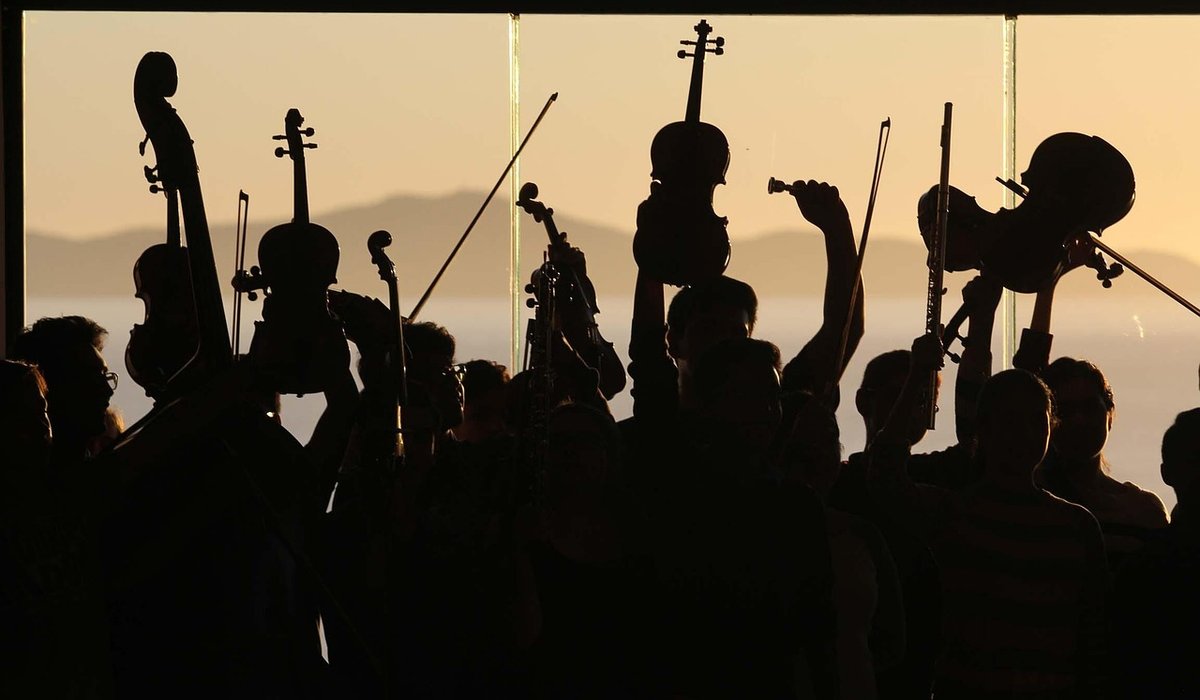
A Guide to Chamber Music Festivals in Britain
There is something quietly magical about hearing a string quartet in a Norman church with the smell of old stone and beeswax in the air, or a wind quintet in a village hall where the acoustic turns out to be unexpectedly generous. British chamber music festivals trade on exactly that intimacy. They range from long-established gatherings in cathedral cities to scrappy, brilliant weekends run by volunteers in rural chapels, and they offer listeners a closeness to the music that a large concert hall simply cannot match.
Why Small Rooms Change What You Hear
In a chamber setting, you hear the mechanics of the music: the rasp of a bow finding its contact point, the intake of breath before a wind entry, the faint creak of a piano stool. Musicians adjust their playing to the space and to you. Without a conductor, they negotiate tempo and balance in real time, often with a glance or a raised eyebrow. Sit within a few rows and you effectively join that conversation.
The repertoire rewards this. Late Beethoven quartets, Brahms piano trios, Shostakovich, Janáček, and the endlessly inventive British tradition from Purcell through to living composers all thrive in rooms built for a few dozen listeners rather than a few thousand. If you are new to the genre, a festival is a gentler introduction than a formal subscription series: shorter programmes, spoken introductions, and audiences who are as curious as you are.
Charting the Festival Year
Festivals cluster in spring and summer, when churches are warm enough and school halls are free, but there is a healthy scattering from October to March. A rough rhythm of the year looks like this:
- March to May: smaller festivals, often themed around a single composer or a resident ensemble.
- June to August: the busiest stretch, with multi-day events, young artist showcases and outdoor intervals.
- September to November: cathedral and university cities, frequently paired with study days and masterclasses.
- December: short, festive programmes — Baroque cantatas, seasonal song, and family-friendly hour-long concerts.
Most programmes are published six to nine months ahead. That sounds early, but the best tickets in a 120-seat venue go quickly, and the same is true of local guesthouses.
Reading a Programme Like an Insider
Look past the composer names. Three things tell you most about what a concert will feel like. First, the ensemble: a resident quartet playing three recitals across a weekend will develop a voice you can follow from first note to last. Second, the pairing: a late Haydn quartet beside a brand-new commission is a hallmark of a festival with genuine curiosity. Third, the extras — pre-concert talks, open rehearsals, composer conversations, and "come and sing" or "come and play" sessions.
Do not overlook the daytime events. A morning masterclass often costs less than a cinema ticket and shows you how a phrase is shaped, argued over and rebuilt. It will change how you listen that evening. If a festival offers a study day, take it; a few hours of guided listening early in the week pays dividends across everything that follows.
Planning Travel, Beds and Budgets
Practicalities matter more than you might expect. Many festivals sit in places with one bus a day and no taxi rank, so decide early whether you need a car. Book accommodation the moment you book tickets — a market town with forty guesthouse rooms and a festival of two hundred attendees sells out its beds before its seats. Consider staying slightly further out and driving in; rural roads are quiet in the evenings.
Budget generously but sensibly. Tickets are often £12–£30 per concert, with day passes and full-weekend passes offering better value. Look for free lunchtime recitals and pay-what-you-can events. If you are under 30 or a full-time student, ask about concession schemes — many festivals quietly offer them and simply forget to advertise.
Volunteering, Learning and Playing Yourself
Volunteering is the best-kept secret in British festival life. Stewards, box office helpers, page turners, drivers and cake-bakers are always needed, and the reward is usually a free ticket for each shift, plus a cup of tea and a genuine welcome. You will meet the players, the organisers and the regulars who know which pew has the best sound.
If you play an instrument, look for festivals with amateur strands: residential weekends for adult learners, scratch orchestras, coached chamber groups and read-through sessions. These are friendly, non-auditioned and often run by professionals who genuinely enjoy teaching adults. Bring your own part if you have one, but expect music to be provided.
Finally, a word on etiquette. Applause between movements is not a crime. Photograph the church, not the players. And if you loved something, tell someone — the organiser at the door, the violist in the interval. Festivals survive on that kind of enthusiasm far more than on funding, and your four sentences may be the reason the series returns next year.


Ensembles
-
The viola often supplies inner harmony and warmth. Study its solos in Mozart's quintets and Brahms's sextets to appreciate its expressive range within ensemble textures.


Concerts


-

Long established fact that a reader will be distracted
-

Long established fact that a reader will be distracted
-

Long established fact that a reader will be distracted




Repertoire
Karla Gleichauf
12 May 2017 at 05:28 pm
On the other hand, we denounce with righteous indignation and dislike men who are so beguiled and demoralized by the charms of pleasure of the moment
M Shyamalan
12 May 2017 at 05:28 pm
On the other hand, we denounce with righteous indignation and dislike men who are so beguiled and demoralized by the charms of pleasure of the moment
Liz Montano
12 May 2017 at 05:28 pm
On the other hand, we denounce with righteous indignation and dislike men who are so beguiled and demoralized by the charms of pleasure of the moment