

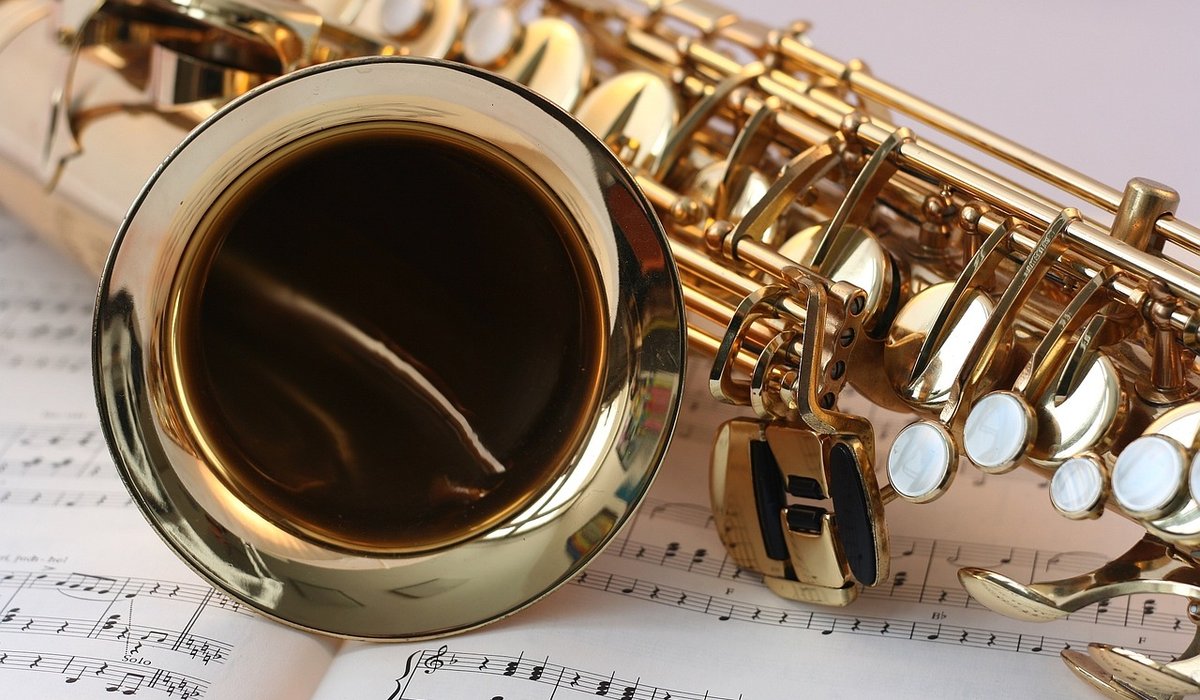
The Piano's Place in Romantic Chamber Music
Why the Piano Took Centre Stage
In the Baroque and Classical eras, the keyboard in chamber music was often a continuo instrument — filling in harmonies, keeping the ensemble together, rarely the star. By the Romantic period, everything had changed. The piano had grown: iron frames, thicker strings, a wider range, and a sustaining pedal that could conjure whole orchestral textures at one keyboard. Composers born into this new instrument wrote for it with relish, and chamber works began to treat the piano as a genuine equal — sometimes more than an equal.
If you are new to this repertoire, the quickest way in is through the piano trio and the piano quartet. Both give you a string ensemble in miniature — violin, viola and cello in the quartet — set against a keyboard that can thunder, whisper and accompany all at once. Listen for the conversation, not the accompaniment.
Schumann: The Piano as Confidant
Schumann's chamber music is the ideal starting point. His Piano Trio No. 1 in D minor, Op. 63 opens with a rising figure in the strings that the piano immediately seizes and amplifies. This is characteristic Schumann: ideas passed back and forth with the urgency of a private conversation.
The Piano Quartet in E flat major, Op. 47 is even more revealing. The slow movement is a set of variations in which the piano, strings and a solo cello trade phrases of great tenderness. Notice how rarely the piano simply accompanies. When it does — as in the march-like passages of the third movement — it is holding the string players aloft rather than following them.
For players, Schumann is a lesson in restraint. The temptation is to let the piano dominate the texture because it can. Resist it. Sit slightly inside the piano's lid if you can, and think of the strings as the leading voices more often than not, even when the notes in front of you look more important.
Brahms: Weight and Warmth
Brahms took the piano's Romantic role further still. His Piano Trio No. 1 in B major, Op. 8 — revised late in life — moves from a youthful sweep to a deeply autumnal maturity, and the piano is the engine throughout. The first movement's opening, with the cello singing over rippling piano figuration, is one of the most generous openings in the repertoire.
The Piano Quartet No. 1 in G minor, Op. 25 is famous for its finale, a rondo in Hungarian style that builds to a genuinely thrilling close. The piano writing here is orchestral in scope. Playing it well requires stamina, a firm left hand and the discipline to know when to sit back and let the strings carry the melody.
- Balance: Brahms often marks the piano forte and the strings piano. Take the markings seriously, but remember that a modern grand can overwhelm three string players in a small room.
- Pedalling: Keep the bass clear. Brahmsian texture thickens quickly, and clarity comes from the fingers, not the pedal.
- Ensemble: Agree tempo relationships between movements. Brahms's markings are precise, and a shared pulse prevents the music from dragging.
Fauré: Elegance and Light
If Brahms is weight, Fauré is light. His Piano Quartet No. 1 in C minor, Op. 15 and the Piano Quartet No. 2 in G minor, Op. 45 show a composer who understood the piano as a source of shimmer rather than mass. The textures are transparent, the harmonies slide in ways that still sound modern, and the melodies are long-breathed and often passed between instruments mid-phrase.
The Piano Trio in D minor, Op. 120, written near the end of his life, is one of the finest works in the genre. Its first movement is restless and chromatic, its slow movement serene — and the piano is present at every turn, not as a soloist but as the harmonic and rhythmic anchor.
Practise Fauré slowly and quietly. The music falls apart if it is forced. Aim for a refined, almost conversational dynamic, and let the string players shape the phrases while you provide the colour beneath.
Listening and Playing: Some Practical Notes
Whether you are in the audience or at the keyboard, a few habits will deepen your appreciation.
- Follow the melody. In Romantic chamber music the tune migrates constantly. Track it, and you will hear the structure.
- Notice the piano's registers. Composers exploit the extremes — a growling bass, a bell-like top. Listen for these as characters in the drama.
- Read the score if you can. Even a glance at the piano part next to the strings reveals how carefully the parts interlock.
- Attend live performances. Recordings flatten the balance. In a hall, the interplay of bow and hammer is immediate and often startling.
For pianists, the essential skill is listening sideways. Chamber music is not solo playing with assistance. Breathe with your colleagues, watch the violinist's bow, and let the cellist's phrasing inform your own. When the balance works, the piano stops being an instrument and becomes a voice among voices.
Where to Begin
Start with Schumann's Piano Quartet, Op. 47, then Brahms's Op. 25. Add Fauré's C minor Quartet when you want something more delicate. Each work will teach you something different about how the piano can converse, support and sing. The rewards — for listener and player alike — are considerable.


Ensembles
-
Baroque performance invites stylistic choices. Study dance rhythms, terraced dynamics, and ornamentation, and experiment with gut strings or period bows where possible.

Concerts


-

Long established fact that a reader will be distracted
-

Long established fact that a reader will be distracted
-

Long established fact that a reader will be distracted



Repertoire
Karla Gleichauf
12 May 2017 at 05:28 pm
On the other hand, we denounce with righteous indignation and dislike men who are so beguiled and demoralized by the charms of pleasure of the moment
M Shyamalan
12 May 2017 at 05:28 pm
On the other hand, we denounce with righteous indignation and dislike men who are so beguiled and demoralized by the charms of pleasure of the moment
Liz Montano
12 May 2017 at 05:28 pm
On the other hand, we denounce with righteous indignation and dislike men who are so beguiled and demoralized by the charms of pleasure of the moment