

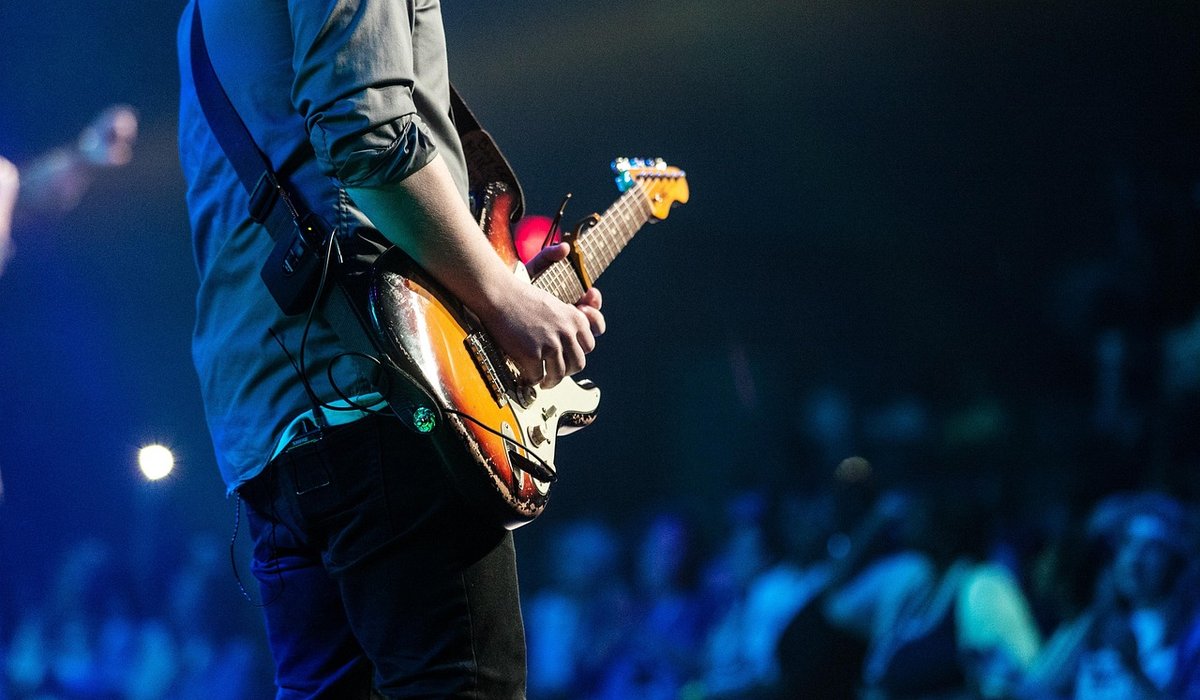
The Art of Listening in Small Ensembles
The instrument you already own
In a large orchestra, you can hide a little. Twenty violins cover for one another, a conductor decides the tempo, and your job is to blend into a mass of sound. Chamber music offers no such shelter. In a quartet, a trio or a wind quintet, every line is exposed and every decision is shared. The moment you sit down with two or three others, you discover that your most important instrument is not the one in your hands. It is your ears.
Active listening is not the same as simply hearing what is going on around you. It means making decisions in real time based on what you hear: adjusting your volume, matching a colleague's articulation, breathing with them, and letting their phrasing shape yours. The good news is that this is a learnable skill, and most of it can be rehearsed in small, deliberate steps.
Balance begins with a decision
Before you play a single note, know what your role is in that phrase. In any texture there is usually a melody, a countermelody, a harmonic filling, and a bass. Play as though you are the melody when you are the accompaniment, and the whole ensemble thickens and dulls.
- Tune to the lowest voice. Pitch in a chord sits most securely when everyone listens downwards. If you are a violin, tune your fifths and thirds to the cello, not the other way round.
- Match the quietest player, not the loudest. A chord is only as balanced as its softest member. If the second violin is playing piano and you are playing mezzo, the sound tilts towards you.
- Play into the sound, not over it. Aim your tone at the centre of the ensemble's blend rather than projecting past it. You will often need less volume than you think.
- Reassess every few bars. Balance is not a setting; it shifts with register, with harmony, and with who has taken over the tune.
In rehearsal, try a quick experiment: have one player deliberately play a shade too loudly, then a shade too softly. Hearing the extremes calibrates everyone's sense of the middle far faster than discussion alone.
Breaths, bow changes and the shape of a phrase
Chamber music breathes together. Wind players have the advantage here, because breath is visible and audible. String players can borrow the same instinct: a bow change at the start of a phrase, or a lifted bow at a comma, functions exactly like an intake of breath.
Listen for these hinges and use them as ensemble cues. If the cellist takes a breath before the second beat of bar nine, that is your invitation to move. If the viola's bow change is gentle, do not begin the next phrase with a crunch. These tiny moments, repeated, are what make an ensemble sound like one organism rather than four people playing accurately at the same time.
A useful rehearsal technique is to play a passage while one person sings the phrase aloud. Everyone else follows the singer's breaths and contours. The ensemble's phrasing usually tightens within a minute or two.
Tempo is a conversation, not a metronome
Amateur ensembles often cling to a steady pulse for security, but genuinely expressive chamber playing breathes: a small easing into a cadence, a gentle push through a sequence, a held note that lingers a fraction longer than written.
The rule is simple: whoever has the melody leads the rubato, and everyone else follows with their ears rather than their click track. The accompanist must not anticipate the shift; they must hear it and respond. That requires watching as well as listening, because a great deal of tempo information travels through a lifted bow, a raised instrument, or a nod of the head.
Practise this by playing a slow movement with the melody line exaggerated: enormous crescendos, obvious ritardandos. Once everyone can follow the most extreme version, the subtle one becomes effortless.
Rehearsal habits that build real listening
- Play a chord in silence first. Agree who is the root, who is the third, who is the fifth, and tune each interval before playing together.
- Swap parts. Playing the second violin line for ten minutes teaches you more about balance than an hour of discussion.
- Rehearse one voice at a time. Let the melody player perform their phrase while the others mime, then swap. Everyone learns the shape of the whole.
- Play a passage with eyes closed, then with eyes open. The first reveals what you can hear; the second reveals what you must see.
- Record yourselves on a phone. What feels balanced to you often sounds different a metre away from the ensemble.
Staying open in performance
On stage, nerves tighten listening. Adrenaline pulls us towards our own part, and the ensemble can start to sound like four soloists in a race. The antidote is to give yourself one specific listening task in each movement: follow the bass line, match the viola's articulation, breathe with the horn.
When you listen that carefully, something generous happens. You stop guarding your own notes and start serving the music, and the audience hears the difference immediately. The best chamber performances are not the ones where everyone played perfectly. They are the ones where everyone was listening.


Ensembles
-
Beethoven's late quartets reward repeated listening. Notice the unconventional forms, profound slow movements, and fugal finales that influenced generations of composers after his death.


Concerts



-

Long established fact that a reader will be distracted
-

Long established fact that a reader will be distracted
-

Long established fact that a reader will be distracted



Repertoire
Karla Gleichauf
12 May 2017 at 05:28 pm
On the other hand, we denounce with righteous indignation and dislike men who are so beguiled and demoralized by the charms of pleasure of the moment
M Shyamalan
12 May 2017 at 05:28 pm
On the other hand, we denounce with righteous indignation and dislike men who are so beguiled and demoralized by the charms of pleasure of the moment
Liz Montano
12 May 2017 at 05:28 pm
On the other hand, we denounce with righteous indignation and dislike men who are so beguiled and demoralized by the charms of pleasure of the moment